3RD OCT, 2026
What Is a Serviced Office, and Who Actually Needs One?
You don't have to rent an empty space and build an office from nothing anymore. A serviced office hands you one that's ready to work in here's how it works and who it actually suits.
The office you don't have to build
These days, a business doesn't have to rent an empty space, kit it out, and run it just to have somewhere to work. For startups, growing companies, remote teams, consultants, and established firms, a serviced office is the easier route and it's worth knowing what it actually is and whether you're the kind of business that benefits.
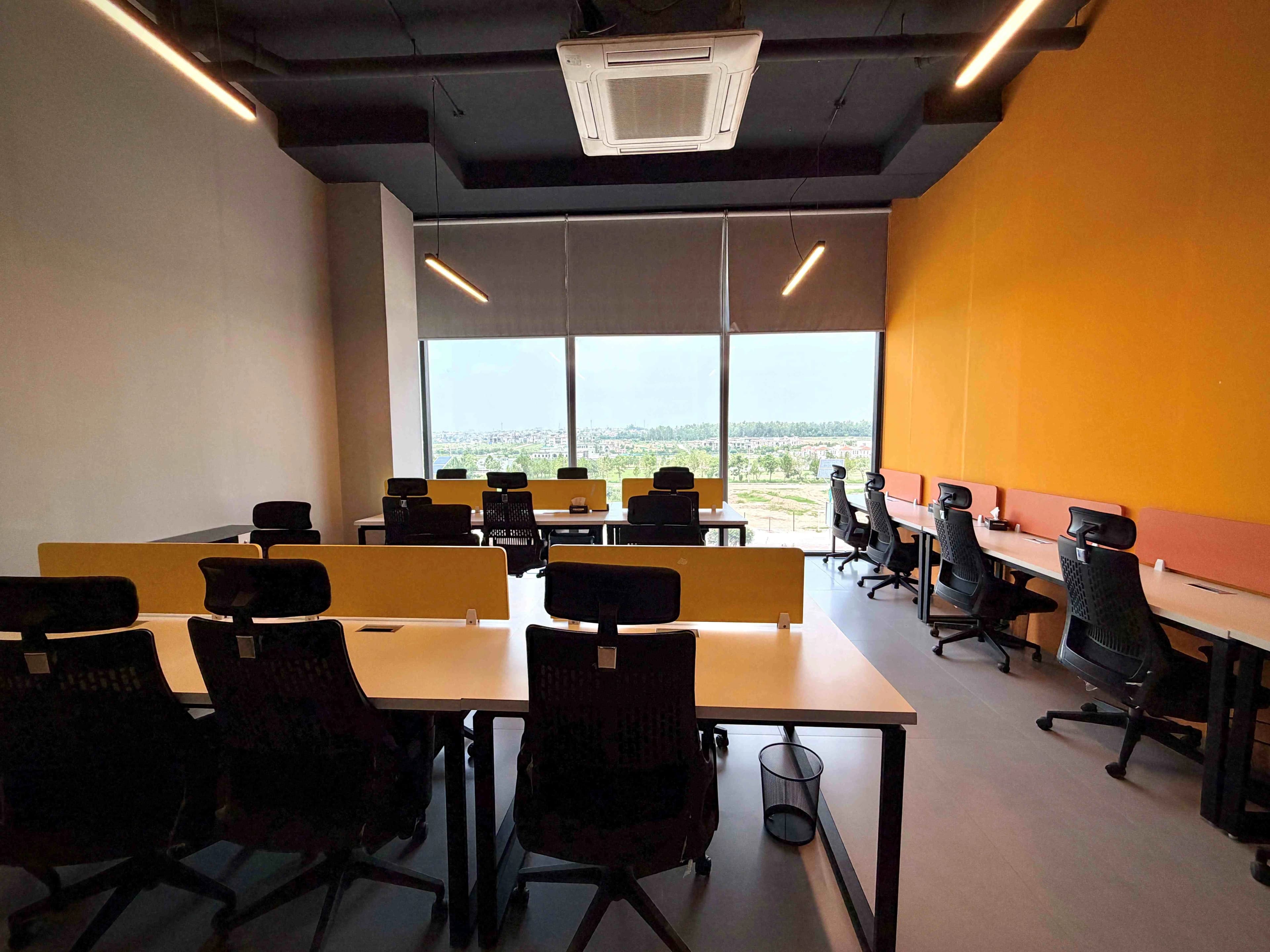
Put simply, a serviced office is a ready-to-use space that someone else manages for you. Instead of sorting out furniture, internet, utilities, maintenance, and the rest yourself, you move into a space where all of that's already handled and just start working. It lands in a useful middle ground the privacy of your own office, but with the flexibility and no-hassle setup of coworking. Cowork24 offers this across Gulberg Greens, I-10, and PWD, alongside private offices, coworking, dedicated desks, and meeting rooms.
How it works, and how it differs from a normal office
The whole idea is to make getting an office simple. Rather than leasing a bare commercial space and then furnishing and running it, you pick an office sized to your team, and the provider takes care of the underlying infrastructure while you get on with your actual business. Because the space is already prepared, you can usually move in far faster than a conventional lease would ever allow.
The contrast with a traditional office is the clearest way to see it. With a traditional office, you rent the space and you're on the hook for everything furniture, internet, utilities, cleaning, maintenance, equipment, the lot. With a serviced office, the place is managed for you and most of those essentials come built in. The real difference, in one line, is how much setting up and ongoing running you're left to do yourself.
What you actually get out of it
Far less setup. Standing up a new office means real money up front furniture, internet installation, electrical work, power backup, equipment, cleaning, maintenance, meeting-room setup. A serviced office wipes out most of that because the place is already ready to go, which is a godsend when you want to be working next week, not next quarter.
Flexibility as you grow. Four people today might be fifteen next year, and nobody can predict that cleanly. Committing to a big traditional lease on a guess is risky; a serviced office lets you take what you need now and move into something larger when the team actually grows into it. That's exactly why startups and expanding businesses gravitate to them.
Real privacy. Unlike an open coworking desk, a serviced office is usually your own enclosed space room for internal discussions, confidential calls, and client meetings without an audience. You get the privacy of your own office while still sharing the professional facilities around it.
Infrastructure that just works. Reliable internet and power aren't optional video calls, cloud systems, customer platforms, daily comms all depend on them. In a traditional office that's your problem to arrange and maintain; in a managed one it's already sorted, so you start without the usual delays.
Meeting rooms on tap. A good serviced setup covers more than desk work. You get access to proper rooms for client meetings, interviews, pitches, and strategy sessions when you need them, instead of permanently giving up floor space to a meeting room that sits idle most of the week.
Simpler bills. A traditional office scatters your costs across rent, utilities, internet, maintenance, cleaning, security, furniture, and more. A serviced office rolls much of that into one arrangement, which makes budgeting far more predictable especially welcome for startups and smaller firms.
You move in fast. Finding the property is only step one of a traditional setup; furnishing, wiring, equipping, and prepping it all come after. A serviced office skips most of that, so your team can be working almost straight away which matters a lot when you need to be up and running quickly.
Who actually needs one
Serviced offices suit a lot of businesses, but a few types get the most out of them.
Startups want a professional space without sinking cash into setup money that's better spent on building the product, hiring, and getting customers. A serviced office gives them the setting without the overhead, and it's easy to size up as they grow.
Growing businesses rarely know exactly how fast they'll expand, and a big traditional lease forces a bet they're not ready to make. A flexible office lets them take what they need now and adjust later.
Corporate and remote teams use them for regional teams, temporary projects, remote departments, satellite offices, or a push into a new market a professional base stood up quickly, without opening and running a full office.
Consultants and professional-services firms legal, financial, agencies, and the like need privacy and a credible setting, plus meeting rooms for clients. A serviced office delivers all three, and reads far better than working from home or meeting in a café.
Businesses moving into Islamabad often aren't ready to commit to a long lease in a city they're still learning. A serviced office gives them a ready base while they build up a team and a client list, buying time before any bigger decision.
Project-based teams that only need space for a set stretch get the professional infrastructure for the duration without the expense of fitting out a whole office they'll soon leave.
And for any client-facing business, the workplace shapes how you're seen a professional office is a far better backdrop for meetings and pitches than an informal one, which matters for consultancies, agencies, and growing firms that regularly host visitors.
Serviced vs coworking, serviced vs private cleared up
These terms get muddled, so here's the plain version.
Serviced office vs coworking. Both are professionally managed, but they're built for different people. Coworking is for individuals and teams who are happy working in a shared, open space. A serviced office is for a business that wants its own dedicated room while still enjoying the managed facilities. A freelancer is usually fine with a coworking desk; a team that needs privacy tends to want the serviced office.
Serviced office vs private office. These two actually describe different things, which is why they're often said together. "Private office" is about the space an enclosed room reserved for one business. "Serviced" is about the management the office comes with the services, infrastructure, and support already in place. So a private office can also be a serviced office, when that private room is part of a professionally managed setup. The first word tells you it's yours alone; the second tells you someone else keeps it running.
What to look for, and where
Before signing up for any serviced office, ask exactly what's in the plan the facilities vary between providers, and the monthly price alone won't tell you the real value. A good one should cover professional furniture, reliable high-speed internet, power backup, utilities, cleaning, maintenance, meeting-room access, reception or support, shared professional areas, and the flexibility to adjust your space. Compare the package, not the headline figure.
Beyond that, choose on your actual needs: location, team size, budget, privacy, internet reliability, power backup, meeting facilities, parking, access hours, and whether you can expand later. And wherever you can, go and see it a visit tells you more about the environment, the facilities, and whether it suits your team than any listing will.
Across Islamabad, Cowork24's three spots suit different briefs. Gulberg Greens leans premium a strong pick for corporate teams, executives, and established firms who care about how the workplace presents and host clients often. I-10 is practical and well-connected, a natural fit for startups, IT companies, agencies, consultants, and growing teams. PWD is the value-focused option for freelancers, early startups, consultants, and smaller businesses keeping an eye on cost.
Is it right for you?
A serviced office is probably a good fit if you want a professional private space, less setup to deal with, flexible terms, infrastructure that works out of the box, meeting rooms when you need them, room to grow, and a faster way to get an office running. In practice that points to startups, growing companies, consultants, corporate teams, project-based businesses, and companies arriving in Islamabad.
So what is a serviced office and who needs one? It's a managed, ready-to-use workspace that gives you office infrastructure and facilities without making you set it all up yourself. Startups save on the heavy upfront work; growing companies get flexibility; corporate and remote teams get a professional presence stood up fast. The right one gives you the mix of privacy, infrastructure, location, flexibility, and facilities your business actually needs.
The surest way to know is to see one. Book a tour at Cowork24, look over the serviced offices, private offices, coworking, desks, and meeting rooms across Gulberg Greens, I-10, and PWD, and see which setup fits how your team works.